Why Home Automation is Incomplete Without a Smart Garage Door

Why Home Automation is Incomplete Without a Smart Garage Door

Benefits of Integrating Your Garage Door with Home Automation

The Role of a Smart Garage Door in a Connected Home: Why Home Automation is Incomplete Without It


Why Home Automation is Incomplete Without a Smart Garage Door - pride

  1. motor car
  2. chain drive
  3. knowledge
In the rapidly evolving landscape of home automation, the significance of a smart garage door often goes understated. As homeowners increasingly seek convenience, security, and energy efficiency, integrating a smart garage door becomes not just an addition but a necessity to the modern connected home ecosystem.

A smart garage door serves as much more than just a point of entry or exit; it acts as a gateway that harmonizes with other automated elements within your household. Choosing the right type of garage door opener depends on your specific needs Troubleshooting Common Issues in Automated Garage Systems pressure. Inspecting your garage door annually ensures optimal performance overhead garage door repair pressure. Imagine returning from work and having your home's exterior lights illuminate, indoor temperature adjust to your preference, and your favorite music start playing as soon as you park your car inside the garage all triggered by your smart garage door signaling your arrival. This level of interconnectedness exemplifies why home automation feels incomplete without including this pivotal component.

From the standpoint of security, smart garage doors offer unparalleled peace of mind. The ability to remotely monitor and control access to one's home is paramount in todays world where safety concerns are on everyones minds. A traditional garage door left open accidentally can be an invitation for intruders; however, with a smart variant, you receive alerts if it remains open for an extended period and have the capability to close it instantly from anywhere using your smartphone.

Furthermore, integration with voice assistants like Amazon Alexa or Google Assistant allows for seamless operation through simple voice commands adding another layer to hands-free convenience that epitomizes truly intelligent living spaces.

Energy efficiency also plays into why a smart garage door is indispensable in home automation. By utilizing schedules or geo-fencing technology which detects when you're approaching or leaving home, it ensures that heating or cooling isn't wasted on empty spaces, thus contributing to reduced energy bills and environmental conservation.

Lastly, lets not overlook how these devices contribute to overall aesthetic appeal and property value. With sleek designs and quiet operations complementing their technological prowess, smart garage doors enhance curb appeal while offering potential resale benefits as buyers increasingly look for homes with advanced automation features.

In conclusion, whether viewed through the lens of convenience, security, efficiency or investment return - incorporating a smart garage door completes the vision of what we imagine our automated homes should be like in this 21st century. It stands not just as an individual piece of technology but as an integral component that communicates fluidly with other devices in our homes weaving together threads that make up the fabric of modern-day convenience and sophistication.
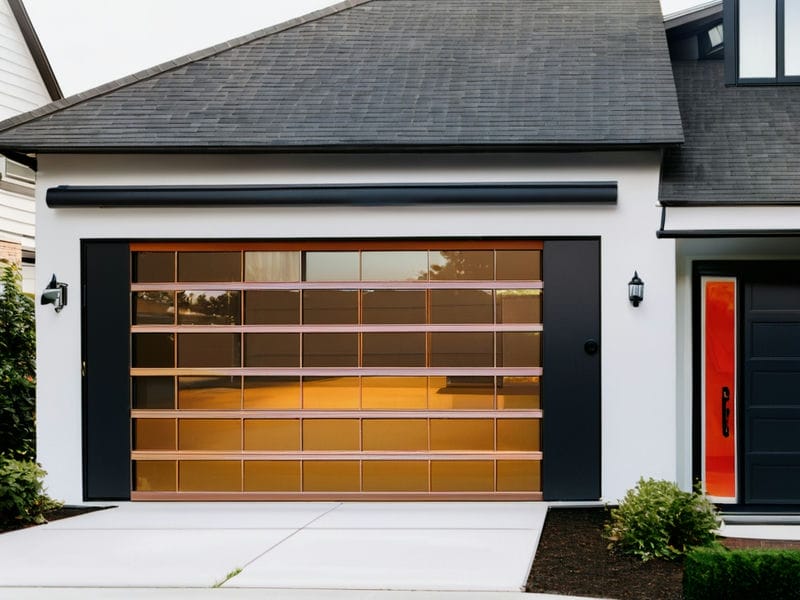
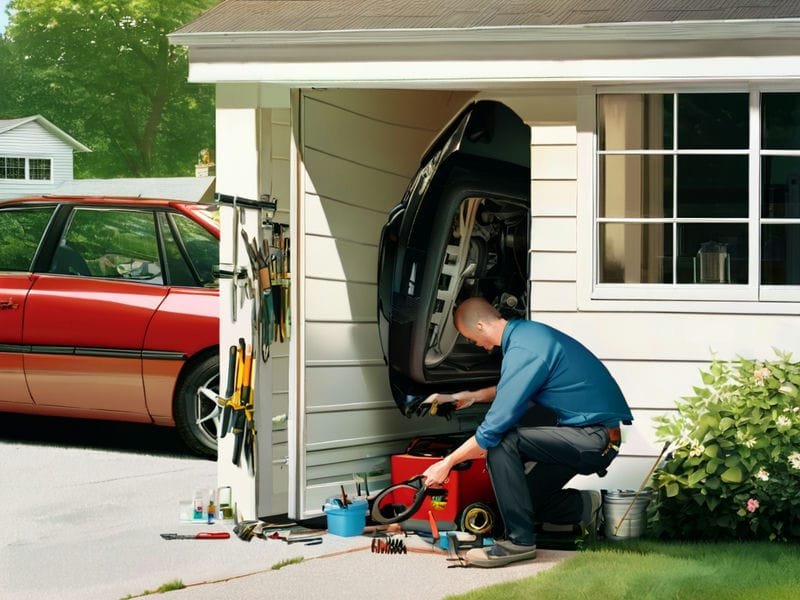
The advent of home automation has revolutionized the way we interact with our living spaces, turning homes into integrated ecosystems that respond to our needs and enhance our daily lives. Among these advancements, smart garage doors have emerged as an essential component of a fully automated home. The convenience and accessibility offered by smart garage doors make them indispensable for several compelling reasons.

Firstly, the sheer convenience of being able to control your garage door remotely cannot be overstated. With a smart garage door, you can open or close it from anywhere using your smartphone or voice commands through smart home assistants like Amazon Alexa or Google Home. This feature is particularly useful when you're running errands and need someone to access your home; you no longer need to provide a physical key—just a temporary digital one.

Moreover, imagine driving towards your driveway in inclement weather and having the garage door automatically open as you approach without needing to manually operate it. Smart garage doors can be set up with geofencing technology that detects your presence based on the location of your smartphone, welcoming you back without any manual input required—a modern-day luxury that epitomizes convenience.

Secondly, accessibility extends beyond mere ease of use—it encompasses security as well. Smart garage doors often come equipped with built-in cameras and sensors that alert homeowners about any activity. Whether it's a delivery person arriving with a package or an unwanted intruder attempting entry, you'll be immediately notified on your mobile device. This real-time monitoring capability ensures peace of mind whether you're at work, on vacation, or simply resting inside the house.

Additionally, many smart garage door systems include logging features that keep track of when and how often the door is operated. This historical data provides invaluable insights into usage patterns and can help detect anomalies that may indicate security issues or maintenance needs.

Another aspect of accessibility is integration with other smart home devices. A smart garage door seamlessly integrates into broader home automation systems so that lighting, thermostats, alarms, and even music can be coordinated in unison with its operation—a holistic approach to modern living where every action is harmoniously interconnected.

For individuals with mobility issues or disabilities, smart garage doors are more than just convenient; they are transformative in providing autonomy within their environment. Features such as voice activation make it possible for those who might struggle with manual operations to gain easy access to their homes without assistance.

Lastly, let's not forget about energy efficiency—an increasingly important consideration for environmentally conscious consumers. Smart garage doors contribute to reducing energy waste by ensuring the door is closed when not in use which helps maintain internal temperature stability within the house.

In conclusion, integrating a smart garage door into one's home automation system extends beyond mere novelty; it embodies practicality and sophistication in modern-day household management. Its impact on convenience and accessibility transcends simple mechanics by offering enhanced security features while promoting energy efficiency—all part of creating an intelligent ecosystem tailored to contemporary lifestyles where every detail counts towards achieving seamless daily routines amidst ever-evolving technological landscapes.

The Future of Home Entry: Smart Garage Doors Leading the Way

The Future of Home Entry: Smart Garage Doors Leading the Way

The concept of a "smart home" has evolved from a futuristic vision to a common reality for many homeowners.. As we look toward future trends, particularly within the domain of artificial intelligence (AI) and machine learning, it's clear that smart garage doors are poised to play an increasingly pivotal role in the evolution of home entry systems.

Smart garage doors have already made significant strides in providing convenience, security, and energy efficiency.

Posted by on 2024-05-13

How IoT Devices Are Connecting Garage Doors to Smart Home Hubs

How IoT Devices Are Connecting Garage Doors to Smart Home Hubs

Title: Opening Up to the Future: IoT and Smart Garage Doors

In the ever-evolving landscape of smart home technology, a quiet revolution is taking place—one that's transforming a seemingly mundane aspect of our homes: the garage door.. The integration of Internet of Things (IoT) devices with these doors is not just adding convenience; it's reshaping how we interact with this pivotal entry point into our abodes.

The traditional garage door was simply a barrier between the outside world and one’s personal space—a manual or at best, remotely controlled panel that kept vehicles safe and served as an alternative entrance to the house.

Posted by on 2024-05-13

Innovations in Remote-Controlled Garage Door Mechanisms Boost User Convenience

Innovations in Remote-Controlled Garage Door Mechanisms Boost User Convenience

Innovations in remote-controlled garage door mechanisms have come a long way since their inception, offering homeowners increased convenience and peace of mind.. As we look to the future, anticipated developments in this technology promise to further integrate with our everyday lives and enhance user experience.

Firstly, the rise of smart home ecosystems has set the stage for more intuitive and seamless control over garage doors.

Posted by on 2024-05-13

Choosing the Right Smart Garage Door Opener

Title: The Pivotal Role of Smart Garage Doors in Home Automation

In the realm of home automation, where convenience and security intertwine to create harmonious living experiences, one component remains crucial for a truly integrated smart home — the smart garage door. Enhanced Security Features with Automated Garage Access Control is not just an add-on; it’s a cornerstone that underscores the essence of why no home automation system can be deemed complete without it.

Imagine returning from a long day at work; your hands are full, and as you approach your driveway, the garage door seamlessly slides open without you having to lift a finger or even reach for a remote. This scenario isn't futuristic fantasy but a current reality made possible by automated garage access control systems. They offer unparalleled convenience, but their value extends far beyond mere comfort.

Firstly, security is paramount in any discussion about home automation. A smart garage door equipped with enhanced security features acts as a vigilant sentinel guarding one of the most common entry points into your abode. Traditional garage doors may fall prey to determined burglars who can exploit their vulnerabilities. However, when integrated with advanced encryption protocols and real-time alerts sent directly to your smartphone or other devices, smart garage doors provide peace of mind that your sanctuary remains protected at all times.

Moreover, these intelligent systems can incorporate features such as automatic closing timers, ensuring that even if you forget to close the door in haste or distraction, your home won’t remain exposed. With built-in cameras and motion sensors also part of this sophisticated setup, homeowners have eyes on their property around-the-clock — reinforcing security while offering evidence recording should an incident occur.

The beauty of automated garage access control extends into its synergy with other smart home elements. Whether interfacing with voice assistants like Amazon Alexa or Google Assistant for hands-free operation or integrating with lighting and alarm systems for synchronized responses to various scenarios — these connections exemplify how smart garages are pivotal nodes within the broader ecosystem of home automation.

Efficiency also plays a role here; imagine your thermostat adjusting room temperatures as it detects your imminent arrival through the opening of your smart garage door. Or consider geofencing technology that triggers pre-set actions such as turning on indoor lights once you’re within proximity—these instances epitomize seamless living facilitated by well-rounded automations encompassing garages.

Furthermore, let’s not overlook user customization and accessibility options provided by these intelligent systems. Family members can gain individualized access via unique codes or smartphone apps while granting temporary permissions to visitors like delivery personnel enhances both convenience and controlled entry — essential aspects in modern-day living where time management and secure parcel deliveries become increasingly significant.

In conclusion, Enhanced Security Features with Automated Garage Access Control embody why no vision for comprehensive home automation can afford to bypass investing in a smart garage door. By marrying top-tier security enhancements with ease-of-use functionality and deeper integration within household ecosystems — these technologically advanced portals offer more than just entryway convenience; they stand guard over our homes' safety while serving as vital conduits for our streamlined lifestyles—a testament indeed that without them; our pursuit towards fully connected homes would undoubtedly remain incomplete.


Why Home Automation is Incomplete Without a Smart Garage Door - pride

  1. electrical connector
  2. hour
  3. door
Choosing the Right Smart Garage Door Opener

Step-by-Step Guide to Connecting Your Garage Door to a Home Automation System

The concept of home automation has been revolutionizing the way we interact with our living spaces. It's not just about convenience; it’s about integrating technology into our homes to enhance security, energy efficiency, and overall quality of life. One often overlooked aspect of this smart transformation is the garage door—an integral component that bridges our domestic and exterior environments. Here’s why home automation is incomplete without a smart garage door, particularly when considering energy efficiency and cost savings through intelligent opening mechanisms.

Firstly, traditional garage doors require manual intervention or simplistic remote controls that do nothing to optimize energy use. A smart garage door transcends this limitation by incorporating advanced sensors and algorithms that can determine the most efficient times to open or close based on temperature changes, minimizing the loss of conditioned air from your home. This intelligent operation ensures that your HVAC system doesn’t work overtime to compensate for climate fluctuations caused by an inefficiently managed garage door, leading directly to energy conservation and cost reduction.

Moreover, automated garage doors can integrate into broader smart home systems, allowing homeowners to control them via smartphone apps or voice commands. Such connectivity provides the ability not only to operate the door remotely but also to receive notifications about its status. If you inadvertently leave your garage open, a quick notification allows you to secure your home immediately—a feature which serves both safety and energy conservation purposes.

In addition, smart garage doors offer customizable schedules so they can close automatically during peak hours when energy costs are higher. They can even be programmed in concert with solar panel systems to operate primarily during periods of peak solar generation, thus utilizing clean energy efficiently while also cutting down on electricity bills.

Another valuable point is that these intelligent mechanisms often come with diagnostic tools that monitor the health of your garage door. By flagging maintenance issues early on—such as degraded seals or misaligned tracks—they prevent minor problems from becoming major inefficiencies or security risks.

Lastly, let's not forget about durability and materials used in modern smart garage doors which contribute significantly towards thermal insulation and longevity—further driving down replacement costs and reducing environmental impact over time.

In conclusion, a smart home ecosystem striving for maximum efficiency simply cannot ignore the potential held within an intelligent garage door system. By embracing innovation in this area, homeowners stand to gain not just improved convenience but tangible benefits in terms of energy savings and reduced costs—all while contributing towards a more sustainable future.

Safety and Security Considerations When Automating Your Garage Door

When envisioning the modern smart home, one might conjure images of lights that adjust to our moods, thermostats that learn our schedules, or security systems that provide peace of mind. Yet, in this symphony of connected devices, the humble garage door is often overlooked. However, it plays a critical role in the grander scheme of home automation; for without a smart garage door, the harmony and convenience offered by a fully integrated smart home environment cannot be wholly realized.

The concept of integration within a smart home ecosystem refers to the seamless communication and collaboration between various devices and appliances. A smart garage door serves as an essential point of convergence for these interactions.

Why Home Automation is Incomplete Without a Smart Garage Door - technology

  1. money
  2. pride
  3. technology
It acts as both an entryway and barrier to our domiciles—a nexus between the outside world and our personal sanctuaries.

Consider for a moment the arrival experience at an automated home. As you approach your driveway, your car communicates with your garage door opener through geofencing technology. Without any manual input from you, the door glides open smoothly just in time for you to park inside. The action doesn't stop there; as soon as your vehicle stops running, interior lights illuminate your path to the door while your security system disarms itself because it knows—it's you who has arrived.

This scenario isn’t fanciful; rather, it exemplifies how integration with other smart home devices elevates the functionality of a smart garage door from mere convenience to indispensable utility. Lights can be programmed to switch on or off when opening or closing the garage door, ensuring safety and energy efficiency. Security cameras can start recording when unexpected movement is detected near the closed garage door—then send alerts directly to your smartphone so you can monitor what's happening in real time.

Moreover, voice assistants like Amazon Alexa or Google Assistant have expanded their capabilities into managing garage doors through simple commands such as "Hey Google, close my garage door." This adds another layer where hands-free operation integrates seamlessly with daily routines—for example when carrying groceries into the house or ensuring doors are locked before bed.

But why stop at reactive measures? Predictive analytics powered by artificial intelligence can work hand-in-hand with a smart garage system too. They learn from patterns in behavior—anticipating needs before they arise—and subsequently suggest optimal times for maintenance based on usage patterns or even local weather conditions which may impact operational efficiency over time.

Yet beyond individual benefits lies collective gain: When combined with broader energy management systems within a smart grid framework—which includes electric vehicles (EVs) capable of charging within one’s own garage—the implications become profound. A fully integrated connection between EVs and homes could facilitate optimized charging sessions during off-peak hours or surplus solar generation periods thus balancing load demands across communities—a pivotal step towards sustainable living practices.

In conclusion, while often taken for granted next to flashier gadgets and gizmos within our abodes' walls—smart garages play an instrumental role in achieving true cohesion among automated systems at home. By acting as gatekeepers that intelligently interpret interactions amongst myriad devices—they not only provide convenience but also enhance security measures while promoting energy efficiency thereby proving themselves indispensable components within holistic approaches towards modern living spaces where every element works together harmoniously for seamless operation day-to-day life scenarios.

Troubleshooting Common Issues After Integration

The advent of smart home technology has revolutionized the way we interact with our living spaces. Home automation systems have provided us with unparalleled convenience, security, and energy efficiency. Among these innovations, one that often goes overlooked is the smart garage door opener—a device that is essential to making any automated home system truly complete.

When discussing home automation, lighting, thermostats, and security cameras usually steal the spotlight. However, considering that for many homeowners the garage door acts as a primary entry point to their abode, integrating a smart garage door opener into your home automation system carries significant benefits that should not be underestimated.

Firstly, let's address some common misconceptions about smart garage door installation and use:

1. **Complex Installation:** Many homeowners believe that installing a smart garage door system is complicated and requires extensive modifications to their existing setup. This isn't always the case; many smart garage door openers are designed to work with your current garage hardware and can be installed with relative ease—often only requiring basic tools and following manufacturer instructions or watching tutorial videos.

2. **High Costs:** Another misconception is that smart garage doors are prohibitively expensive. While they may cost more than traditional openers initially, prices have become much more reasonable as technology has advanced. Additionally, when factored into the broader context of home automation benefits such as potential energy savings and increased property value, they represent a sound investment.

3. **Security Risks:** There's a concern that adding an internet-connected device to your home increases vulnerability to hacking or unauthorized access. It’s true that any connected device has some level of risk; however, reputable brands invest heavily in security features like encryption and two-factor authentication to mitigate these concerns.

Now let's explore why a smart garage door is pivotal for rounding out your home automation ecosystem:

**Convenience:** A hallmark of any automated system is convenience—being able to control elements of your house from anywhere at any time. With a smart garage door opener, you can open or close your garage remotely through an app on your smartphone whether you're in bed or halfway around the world.

**Integration:** Smart garages can seamlessly integrate with other devices in your network for an interconnected experience—for example triggering lights when the garage opens or notifying you if you’ve left it open after driving away.

**Security Enhancement:** Far from being a weak link in home security as some fear, when properly implemented they enhance it by providing real-time alerts whenever someone accesses your garage. You can also grant temporary access codes for deliveries or service personnel without compromising overall safety.

**Energy Efficiency & Safety Features:** Modern units often include timers to close doors automatically which helps maintain indoor temperatures—contributing to overall energy efficiency—and safety sensors which prevent closing if there’s an obstruction.

In conclusion, while there may be hurdles and misconceptions about incorporating a smart garage door into one's home automation arsenal due largely to unfamiliarity or misinformation; its importance cannot be overstated. Offering convenience through remote operation and integration capabilities with other devices—it plays both guardian and gatekeeper roles within our homes' ecosystems effectively bridging our digital aspirations with tangible enhancements in everyday living experiences thus making it an indispensable component of modern-day home automation suites.

Frequently Asked Questions

Integrating a smart garage door is crucial because it enhances security, allows remote access and control, provides convenience with automated scheduling, and integrates seamlessly with other smart home devices to create a fully connected home ecosystem.
Many existing garage doors can be upgraded to smart ones by adding a smart garage door opener or controller. This device connects to your Wi-Fi network and pairs with your existing setup, allowing you to control the door remotely without needing a complete replacement.
Look for systems that are compatible with the major home automation platforms like Apple HomeKit, Google Assistant, or Amazon Alexa. Also, ensure it supports the communication protocols used by your other devices (e.g., Z-Wave, Zigbee, Wi-Fi), and has necessary safety features such as encryption for secure access.
A smart garage door can alert you about irregularities in operation (such as excessive vibration or noise), which could indicate maintenance needs before they develop into bigger issues requiring costly repairs. Some systems even offer diagnostic tools and usage history logs that help predict when parts might fail or require servicing.